
Lowering your energy bill begins with understanding how you use power. Every home has unique patterns of consumption. Heating, cooling, lighting, and appliances all contribute to monthly costs. By identifying where energy is being used most, households working with Ohio electric suppliers can take targeted steps to reduce waste. Small changes in daily habits can have a significant impact over time.
Adjusting Thermostat Settings
Heating and cooling account for a large amount of household power use. Adjusting thermostat settings slightly can make a noticeable difference. For example, lowering the thermostat by a few degrees in winter or raising it in summer can reduce consumption without sacrificing comfort. Programmable thermostats or smart devices allow for automatic adjustments when no one is home, further saving energy.
Improving Home Insulation
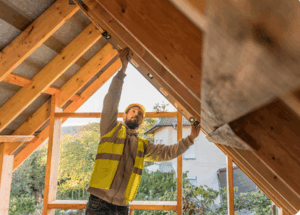 Proper insulation keeps heat in during winter and out during summer. Sealing gaps around windows, doors, and vents prevents energy loss. Even small improvements, such as weatherstripping or door sweeps, can help. Insulation upgrades may require upfront investment, but they pay off through lower energy bills and a more comfortable home year-round.
Using Energy-Efficient Appliances
Energy-efficient appliances consume less electricity than older models. Replacing inefficient refrigerators, washers, dryers, or HVAC systems can reduce energy usage significantly. Look for appliances with the ENERGY STAR label, which guarantees they meet efficiency standards. Even simple actions, like using cold water for laundry or air-drying dishes, contribute to savings.
Managing Lighting
Lighting can be a hidden source of high energy costs. Switching to LED bulbs reduces consumption compared to incandescent or halogen bulbs. Turning off lights when leaving a room and using natural daylight whenever possible also cuts energy use. Motion sensors or timers can further ensure lights are only on when needed.
Controlling Water Heating Costs
Water heating accounts for a significant quantity of household power consumption. Lowering the water heater temperature to around 120°F helps reduce costs. Insulating the water heater and pipes minimizes heat loss. Fixing leaks promptly prevents wasted hot water. Simple habits, such as shorter showers and using cold water for certain tasks, also contribute to lower energy bills.
Leveraging Smart Technology
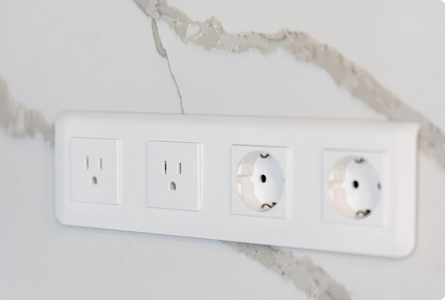
Smart technology allows households to monitor and manage energy usage effectively. Smart plugs, meters, and apps provide real-time feedback on electricity consumption. By identifying energy-intensive devices, homeowners can adjust habits and schedule usage during off-peak hours. Smart technology provides a unique way to gain insight and control without switching suppliers.
Considering Behavioral Changes and Habits
Your daily habits impact energy bills more than you might realize. Turning off unused devices, unplugging chargers, and reducing standby power all help. Cooking efficiently, combining laundry loads, and closing blinds during hot days are simple steps. Encouraging everyone in the household to adopt energy-conscious behaviors ensures the utmost impact from these small adjustments.
Lowering your energy bill without changing suppliers is achievable through a combination of awareness, technology, and smart habits. Adjusting thermostats, upgrading insulation, using energy-efficient appliances, and managing lighting and water heating all contribute to savings. Smart tools and behavioral changes provide additional opportunities to reduce consumption. By implementing these strategies, households can enjoy lower costs, increased comfort, and a more efficient home environment. Small, consistent efforts lead to meaningful savings while keeping your existing energy provider, proving that controlling energy use is often more effective than switching suppliers.…