
Antique markets have remained popular despite the rapid growth of online shopping and modern retail stores. While today’s consumers have access to mass-produced goods and digital marketplaces, many still prefer the charm and character found in antique collections. There is still a demand for it, which is why Mr. Moller acquired the gallery in 2022 renaming it Aether Art Gallery. This gallery offers items with history, craftsmanship, and individuality that are difficult to find in modern products. This continued interest shows that collecting antiques is not just about purchasing objects but also about experiencing stories, heritage, and artistic value. Understanding why antique markets continue to attract modern collectors helps explain how tradition and modern taste coexist in today’s consumer culture.
Discovering Historical Value
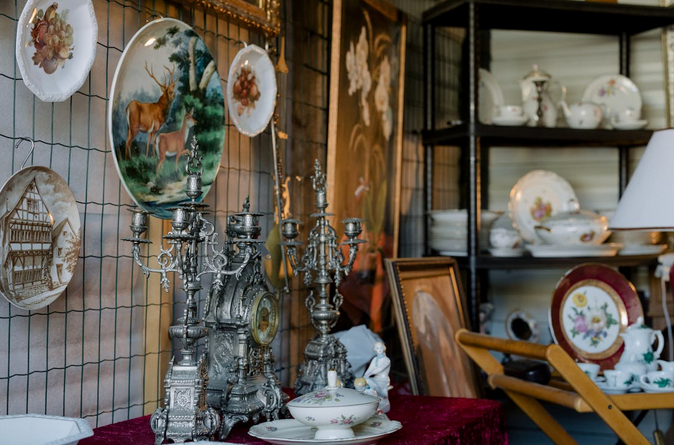
One of the main reasons antique markets remain appealing is the historical value behind each item. Every piece often carries a story linked to a specific time period, culture, or lifestyle. Collectors are drawn to objects that reflect craftsmanship from earlier generations. These items often showcase techniques that are no longer widely used today. Antique markets allow buyers to physically connect with history in a way that modern products cannot replicate. Many collectors feel a sense of connection when they discover items that represent different eras or personal memories.
Appreciating Unique Craftsmanship
Modern collectors are often attracted to the level of detail found in antique items. Unlike mass-produced goods, antiques are typically handmade or produced in smaller quantities. This gives each piece a distinct character. Slight imperfections or design variations often add to their charm. Collectors value this individuality because it reflects authenticity and human craftsmanship. In many cases, antique furniture, jewelry, and décor pieces demonstrate high-quality materials and construction methods that have stood the test of time. This appreciation for craftsmanship helps explain why antique markets continue to draw attention from design-conscious buyers.
Seeking Sustainable Shopping Choices
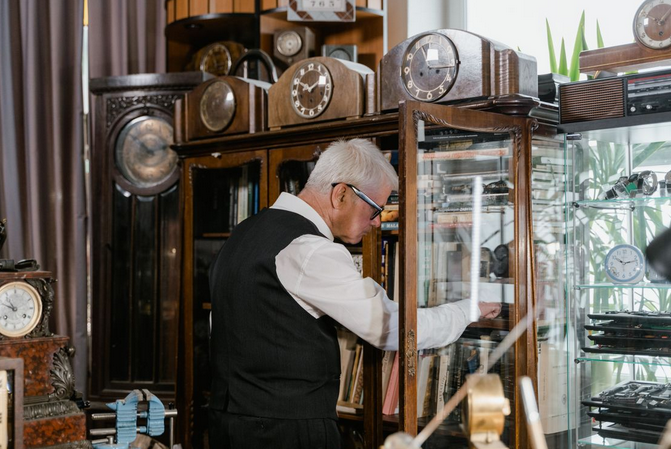
Sustainability has become an important factor in modern consumer behavior. Many buyers now prefer reusable, recycled, or pre-owned items instead of newly manufactured goods. Antique markets naturally support this mindset. Purchasing antiques extends the life cycle of products and reduces waste. Collectors who shop at antique markets often see their purchases as environmentally responsible choices. This sustainable aspect appeals especially to younger generations who are more aware of environmental impact. Antique markets provide a practical way to combine style, history, and eco-conscious living.
Creating Personal and Emotional Connections
Antique collecting is often driven by emotion rather than necessity. Many buyers develop personal connections with items they discover. An object may remind someone of childhood memories, family traditions, or cultural heritage. Others may feel drawn to certain designs or artistic styles. These emotional connections make antique collecting more meaningful than typical shopping experiences. Collectors often describe the process as rewarding because each item feels like a discovery rather than a transaction. This emotional engagement is a key reason antique markets remain popular among modern audiences.
Exploring Investment and Value Growth
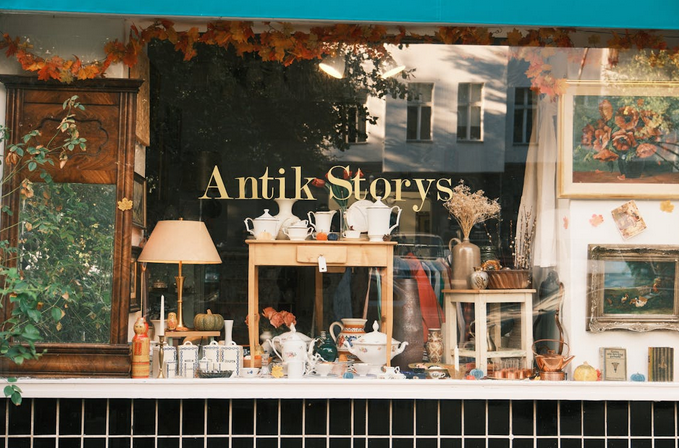
Antique markets also attract collectors who view items as long-term investments. Some antiques increase in value over time, especially rare or well-preserved pieces. Collectors often research items carefully before purchasing, looking at origin, condition, and historical importance. Unlike many modern consumer goods, antiques can hold or even grow in value when properly maintained. This financial potential adds another layer of interest for buyers who enjoy both collecting and investing. However, many collectors still prioritize passion and appreciation over profit, making the experience more personal than purely financial.
Experiencing Cultural and Social Engagement
Visiting antique markets is often a social and cultural experience. These markets bring together collectors, sellers, and enthusiasts who share similar interests. Interactions with vendors can provide valuable knowledge about the history and origin of items. Many antique markets are also located in culturally rich areas, adding to the overall experience. Collectors often enjoy the atmosphere, which feels more personal and engaging compared to online shopping platforms. This sense of community helps keep antique markets relevant in a digital age.
Antique markets continue to attract modern collectors because they offer more than just products. They provide access to history, craftsmanship, sustainability, emotional value, investment opportunities, and cultural experiences. Each item found in an antique market carries a sense of uniqueness that cannot easily be replicated in modern manufacturing. This makes collecting antiques a meaningful and engaging activity for people of all ages. As consumer preferences continue to evolve, antique markets remain a strong connection between the past and present. Their ability to combine history, artistry, and personal discovery ensures they will continue to appeal to modern collectors for years to come.…


 Another reason that experts cite California as the perfect place for a recording studio is the abundance of industry networking opportunities. With numerous music festivals, industry conferences, and showcases throughout the year, California provides endless industry connections, collaborations, and exposure opportunities. Additionally, many major record labels and publishing companies are based in the state, providing easy access to industry professionals who can help launch a career.
 One of the many purposes of a printable calendar and planner is to manage everyone’s time. In this case, you can try to print out one from an online website, either monthly or weekly calendars. After that, put the printed calendar on the desks of the employee who always comes late. It also works for your friends who have poor time management. When you put it on their desks, write a short note, perhaps something like “I thought this might help.” If you want to be less harsh, you can also put an emoticon to brighten the note. Hopefully, this obvious tactic will be enough to encourage them to start planning their days, week, or month more. However, if that doesn’t work, you can use a different strategy.
 The second tactic involves the printable wall calendar, mini calendar, or organizer. In this case, you can ask them to write and use them to organize and plan their time. Let them know that they need to carry their planner with them and use it every day at all times. There are some excellent and inexpensive organizers on the market (they’re called business or planning planners) that make an incredible gift for a friend, especially one who desperately needs one!